
How to Add Meal Plans to Your Personal Training Packages (and Charge More)
Want to charge more for personal training? Add meal plans to all packages. Clients pay extra when you cover both training and food, because both shape their results.
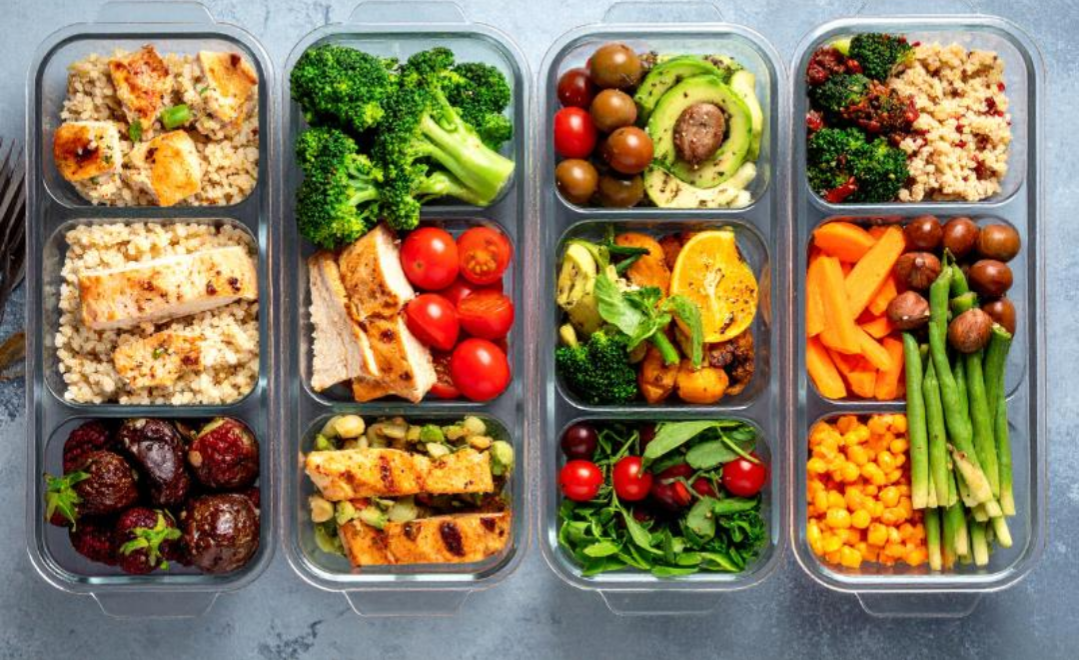
The quickest way to do this without sacrificing your evenings is with meal planning software for fitness professionals. It creates each client's meal plan in minutes, not hours, allowing you to add nutrition to your packages and charge 30% to 60% more than training alone.
Further down, you will learn about the specific package tiers, rupee pricing model and a five-step guide that you can implement this week.
Why Meal Plans Let You Charge More for Personal Training
Most people walk into a gym wanting to lose weight or build muscle. Few get there on training alone. They work out three or four days a week, then eat whatever is easy for the other three.
You already know this. Your clients feel it too. When you add nutrition, you stop selling hours and start selling an outcome.
Sessions are easy to compare
Another trainer nearby charges ₹500 less per session. If your client only sees "sessions," they will pick the cheaper one.
Results are hard to compare
A package with a weekly meal plan, food swaps and regular check-ins is not something a client can price-shop. They can't find the same thing across the road.
There is a second benefit: recurring income. Session packs end. Nutrition coaching runs month after month, which gives you steadier revenue and clients who stay longer.
What to Include in a Training + Nutrition Package
Keep it to three tiers. More than that and clients freeze. Here is a structure that works for most independent coaches:
|
Tier |
What the client gets |
Your time per client, per week (approx.) |
|
Basic |
Weekly meal plan, grocery list, one WhatsApp check-in |
20 minutes |
|
Standard |
Basic, plus calorie and protein targets, food swap list, two plan updates a month |
35 minutes |
|
Premium |
Standard, plus daily food-log review, plans for festivals and travel, monthly progress review |
60 minutes |
What every plan should cover
- Food preferences: vegetarian, non-vegetarian, eggetarian or Jain.
- Indian serving sizes: number of chapatis, a katori of dal, some nuts.
- Budget and cooking: what works for a hostel-going student differs from what works for a homemaker.
- Festivals: don't let Diwali week undo a month of effort.
How to Price Packages With Meal Plans (Example in Rupees)
Start from what you charge today and add 30% to 60%, depending on the tier. Here is an example for a coach whose training-only package is ₹10,000 a month:
|
Package |
Monthly price |
Increase |
|
Training only |
₹10,000 |
n/a |
|
Training + Basic nutrition |
₹13,000 |
30% |
|
Training + Standard nutrition |
₹15,000 |
50% |
|
Training + Premium nutrition |
₹16,000 |
60% |
These are examples, not market rates. Metro clients usually accept higher numbers than tier-2 towns, so test with your own audience.
Do the math on your whole client list. If 10 clients upgrade and each adds ₹3,000 to ₹6,000 a month, that is ₹30,000 to ₹60,000 in extra monthly revenue.
Pricing tips that help you close
- Bundle it. Don't list "meal plan: ₹3,000" as a line item. Clients negotiate line items.
- Offer a three-month option. Body changes take time, and longer commitments protect your income.
- Show the before-and-after of an existing client (with their permission) next to the price.
Meal Planning Software for Fitness Coaches: What to Look For
Here is where most coaches get stuck. Building one plan in a spreadsheet takes an hour or two. Multiply that by 20 clients and your margin disappears. Then the client loses the PDF, and you resend it.
Online meal planning software fixes the time problem. The right professional meal planning software built for fitness coaches also keeps plans, progress and chats in one place, so you look like a proper nutrition business, not a person with a folder of files.
The checklist: what the best nutrition coaching apps for coaches have
|
Feature |
Why it matters to you |
|
Fast plan building (templates or AI) |
Cuts the hours per client so the higher price becomes real profit |
|
Indian food and portion options |
Clients trust a plan that includes their actual meals |
|
Client app or portal |
Plans live on the client's phone, not in a lost PDF |
|
Your own branding |
Your logo and colors build your name, not the software's |
|
Progress tracking |
Gives you proof to justify renewals and referrals |
|
Easy swaps and edits |
Lets you fix a plan in two minutes after a missed week |
Where Levorofit fits
If you want a personal meal planner and nutrition coach tool in one place, Levorofit is worth a look. It is a practice management platform for fitness coaches, gyms, nutritionists and studios. It includes AI meal planning, client portals, progress tracking and your own logo and colours, plus iOS and Android access. Fully branded apps and custom domains are available on the Pro plan. There is a 14-day free trial, and no credit card is needed.
5 Steps to Add Meal Plans to Your Packages This Week
-
- Pick your three tiers. Use the Basic, Standard and Premium structure above, and set a price for each.
- Create an intake form. Ask for goal, height, weight, food preference, allergies, daily schedule, budget and who cooks at home.
- Build one template per goal. Make a fat-loss, muscle-gain and maintenance base in your software, then personalise each client's version.
- Offer current clients an upgrade. Give them a 14-day window and a clear before-and-after promise.
- Set a weekly rhythm. Plan on Sunday, check in midweek, review on Saturday. Consistency is what clients remember.
You can finish steps one to three in a single afternoon.
Most coaches finish steps one to three in a single afternoon.
Mistakes That Cost You Clients (and Money)
- Giving plans away free. Clients value what they pay for. Include the plan in a priced package.
- Copy-pasting one diet to everyone. Clients compare notes in the gym, and they notice.
- Making plans too strict. A plan nobody can follow for two weeks is a bad plan, however perfect the macros.
- Skipping the follow-up. The plan is the start. The check-ins are what clients renew for.
- Going beyond your scope. If a client has diabetes, thyroid problems or kidney issues, refer them to a registered dietitian or their doctor.
Frequently Asked Questions
How much can a personal trainer in India charge for a meal plan?
A sensible range is to add 30% to 60% to your training price when you include nutrition. The exact figure depends on your city, your results and how much follow-up you give.
Do I need a certification to sell meal plans?
For general healthy-eating guidance, a recognised nutrition course helps you build trust. For medical conditions, you should refer clients to a registered dietitian.
What is the best meal planning software for fitness coaches?
Choose one that builds plans fast, supports Indian foods, gives clients a mobile app and lets you add your own branding. Levorofit offers these features, with a 14-day free trial.
How long does it take to build a meal plan with software?
With templates or AI, a first draft takes minutes. A spreadsheet usually takes an hour or more per client.
Should I sell meal plans separately or bundle them with training?
Bundle them. A single package with a single price is easier to sell, and it keeps clients paying monthly.
Start Selling Training and Nutrition Together
Clients will pay more if you cover both ends of their outcome. Add a meal plan to every package, offer three clear tiers, charge 30% to 60% more, and use software to generate the plans.
The coaches who do this stop competing on session rates. They sell a full transformation, and they earn like it.
Ready to try it? Start your 14-day free trial of Levorofit, build your first client meal plan today, and put your new package prices live this week. No credit card needed.
⏳ Update History
Last edited by Mona
"Updated via admin form"
Pearl Group
Wellness Expert
Professional wellness and nutrition expert contributing to LevoroFit.


 Book a Demo