
How to Safely Count Calories for Weight Loss: A Professional Guide to Using Calorie & Nutrition Trackers
This article gives an detailed information about, How to safely count calories using nutrition trackers and its impact on clients.

In the modern landscape, there's no deficit of information. The role of a nutrition professional has evolved from providing a diet plan. The modern value of a professional lies in their ability to process complex data, understand the customer's requirements, and provide flexible, safe, and sustainable meal ideas for caloric management. The "calories in, calories out" (CICO) is an oversimplification that the modern consumer does not wholly buy into, even though it is often the starting point.
The Physiological Baseline: Precise Estimation
The journey towards providing a weight-loss plan begins with an accurate baseline assessment. There are tonnes of online calculators, but they are only a starting point or a tool for an infrequent user. A professional-grade calorie-tracking tool is the first tool a nutrition professional needs in their arsenal. It is essential to set a reliable baseline to avoid malnutrition or overeating.
The baseline is an estimated energy requirement that is dependent on several factors, such as age, sex, body size, activity level, and lean mass. The Mifflin-St Jeor equation is a standard for general adults. In contrast, the Cunningham equation is more useful for guiding baseline calculations in cases of lean body mass. This further underscores the importance of consistent validation through food logs, consistency patterns, and regular progress reports. Platforms like LevoroFit centralise baseline targets, intake logs, and progress trends, reducing manual tracking and enabling professionals to manage more clients without losing visibility.
How to Ensure Accurate Calorie Tracking Across Clients
Accurate calorie tracking rewards consistency over precision. It does not mean that a professional can be imprecise; modern calorie-tracking apps like LevoroFit are precise when food is logged accurately. The three pillars of reliable calorie data are: consistent food logging, portion tracking, and the presence of macro nutrients.
The steps below outline "how to count calories for weight loss":
- Using a kitchen scale: This is the most accurate early-phase tracking option, i.e., measuring every food item by its weight.
- Measuring cups and spoons: Often less precise than a scale, but accurate measurements aren't always entirely possible.
- Visual estimates as a backup: Comparing food items to visible standard-size items, such as a computer mouse, helps track them more accurately in the absence of a scale or measuring cups.
- Don't skip calorie-dense foods: Oils, butter, nuts, sauces, spreads, fried food, desserts, and drinks often create the biggest mismatch between what someone thinks they ate and what they actually ate.
- Pay attention to macros alongside calories: It is important to include macros rather than focusing solely on calorie count.
A calorie-tracking tool helps professionals assess the quality of intake, not just its quantity. Tools like LevoroFit help interpret differences between logged and actual intake, making it easier to identify issues and plan actions accordingly.
The Hidden Calorie Gap in Client Reporting
Incomplete or inconsistent logging remains one of the biggest problems with real-time calorie tracking. Details like cooking oil, small bites, tasting, drinks, condiments, and the weekend or celebratory meals. The goal is to log consistently. We can't be 100% precise, but celebratory meals, drinks, tastings, and small bites can help you count calories more accurately and support a better weight-loss plan.
Unless the meals are logged, the professionals cannot identify where the clients are slipping. This creates an unexplained data gap. This also creates a case for education, that the aim is to be consistent. Consistently logging also helps identify patterns and find better alternatives to the small bites and junk eating. A structured dashboard in LevoroFit allows for these notes, along with meal plans and tracking, which further help iron out issues as they arise.
Why Calorie Counting Matters in Client Adherence
Calories are important, but not every calorie has the same practical effect on the body. Proteins are more filling and have a higher thermic effect than carbs or fats. The body uses more energy to digest protein than it does carbs or fats, making protein the calorie of choice for weight loss.
There's also a need to understand how different macronutrients influence hunger and sustainability, rather than labelling food as "good" or "bad." A calorie target for protein, fibre, and minimally processed foods is easier to sustain than one for highly processed, low-satiety foods.
The goal is also to preserve lean mass, improve satiety, and reduce rebound eating. It isn't only about reducing calories, but also about building a sustainable habit. A nutrition and calorie-tracking app enables professionals to monitor protein, fibre, and other macros rather than focusing solely on total calorie count. It helps the professional focus on improving the client's decision-making.
How Meal Timing Impacts Calorie Utilization and Adherence
Apart from calories, the timing of calorie intake also affects weight loss. Meal timing, circadian rhythm, and late-night binge eating influence metabolism, appetite and consistency. The ideal meal management is to have most of their calories earlier in the day. Skipping meals and then overeating at night is not sustainable and healthy. Even when the total calorie count is maintained, an inconsistent or bottom-heavy (more calories in the second half) pattern is less useful than a consistent top-heavy (more calories in the first half) pattern. Timing is also part of professional advice when it comes to counting calories for weight loss.
A client can accurately log their meals and the times on calorie-tracking apps like LevoroFit, helping professionals gain even more insight into the client's patterns.
How to Safely Count Calories for Weight Loss Without Aggressive Deficits
A calorie deficit should be large enough to push weight loss, but not so aggressive that it results in fatigue, nutrient gaps, rebound behaviour, or reduced motivation to follow the meal plan. Crash diets and very low-calorie plans are always in fashion, but never sustainable. Often, they cause more harm than good.
A client may feel that the only way to reduce weight quickly is to eat less and less. Still, a professional can track the calories and educate the client about the harms of crash diets. Levorofit's calorie and nutrient tracker helps flag these diets by noticing patterns and meal logs.
Managing the Psychological Risks of Calorie Tracking
There are also psychological risks of calorie tracking that a professional must be wary of. Awareness is good, but if a client shows signs of guilt, fear, or control issues, the professional may have to step in. The reg flags can be identified by anxiety over unlogged meals, categorising food as purely good or bad, guilt around social events and meals, or using exercise as an excuse to skip logging a few meals.
The solution to calorie tracking is always a softer and more flexible approach. A habit-based goal and consistent tracking yield better results than strict calorie goals, as they can be followed for long periods and bring wholesome change.
How Professionals can use the Tracker
A calorie and nutrition tracker is a decision-making tool for nutrition professionals, not just a logging tool. The professional can use their knowledge and insight to get the best out of trackers, such as LevoroFit.
A good workflow for calorie tracking for weight loss can be as follows:
- Setting a realistic baseline.
- Teaching the client how to log accurately.
- Watching for hidden calories and missed entries.
- Tracking protein, fibre, and meal timing.
- Reviewing weekly patterns, not just daily totals.
- Adjusting the plan only after looking at the full picture.
This is the part that highlights the need for a professional calorie nutrition tracker. The same meal logs that may look flat in a basic app can become much more useful when the platform helps the practitioner see patterns, flag risks, and guide the next move.
How LevoroFit Supports Scalable Nutrition Tracking Workflows
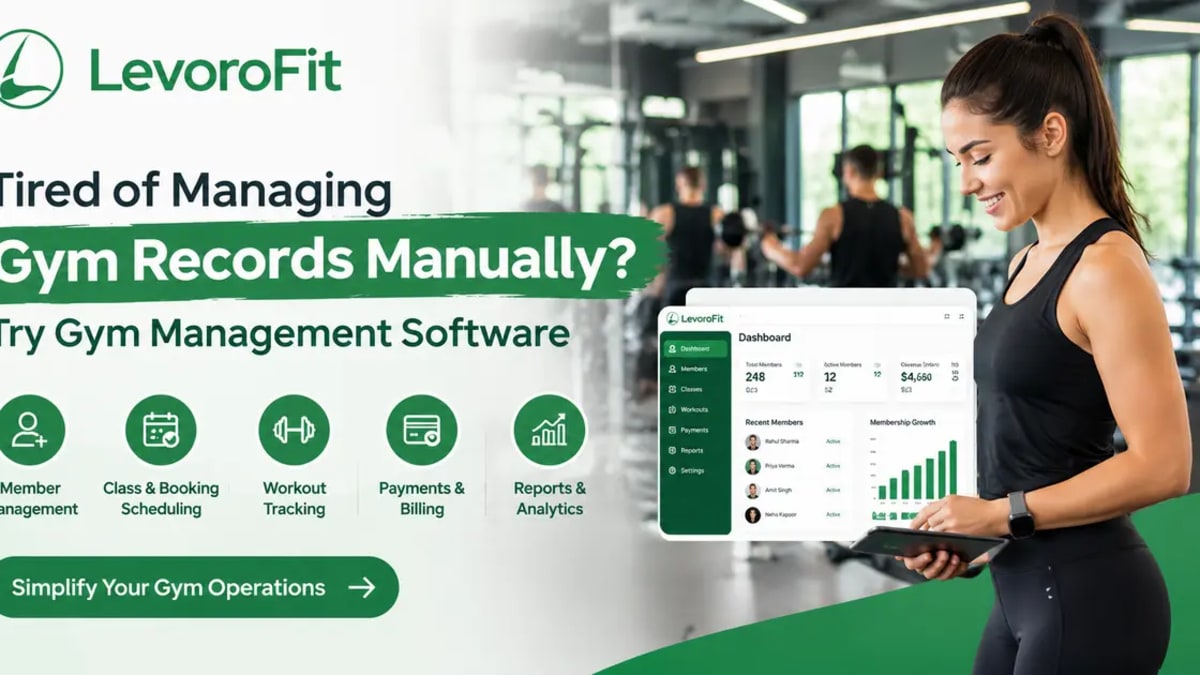
LevoroFit provides professionals with a clean, structured dashboard. Its focus is on integrating calorie counting with other tools, such as analytics, appointment booking, and an AI assistant, providing the professional with everything in their arsenal.
Key Takeaways
Counting calories can help lose weight, but it works best as a structured tool rather than a rigid rulebook. The goal is not just to eat less. The goal is to understand intake, improve quality, stay safe, and make the process sustainable.
For professionals, that means combining awareness with judgment. For clients, it means having a method that feels clear instead of confusing. A platform like LevoroFit supports that process quietly and naturally, by making the work of tracking, reviewing, and coaching easier to manage.
Vinay Jindal
Fitness • Health & wellness • Nutrition
Vinay Jindal is a wellness content intern at Levorofit with a keen interest in healthcare technology, digital wellness, nutrition, and preventive health. He enjoys researching how emerging technologies like artificial intelligence are improving healthcare accessibility, patient engagement, and overall well-being. Through his writing, he aims to make complex health and technology topics easier for readers to understand. He enjoys exploring the latest developments in nutrition, fitness, recovery, healthy habits, and digital health to create informative content that empowers individuals to make smarter lifestyle choices. At LevoroFit, Prince contributes educational content that helps fitness professionals, nutrition coaches, and health-conscious individuals stay informed about evolving trends in health, wellness, and nutrition.


 Book a Demo